Redact a PDF
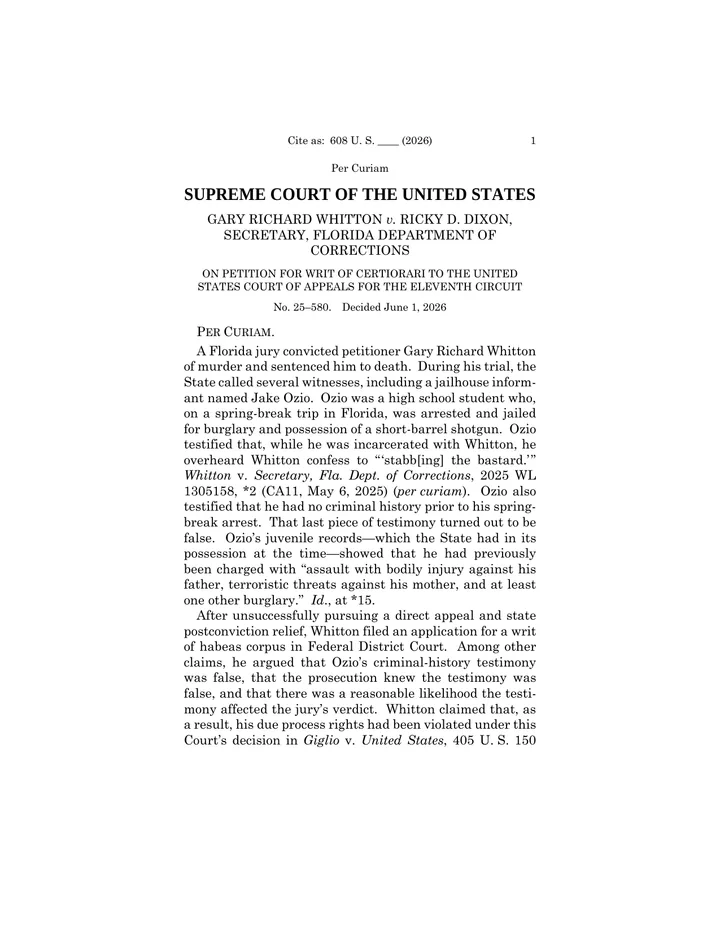
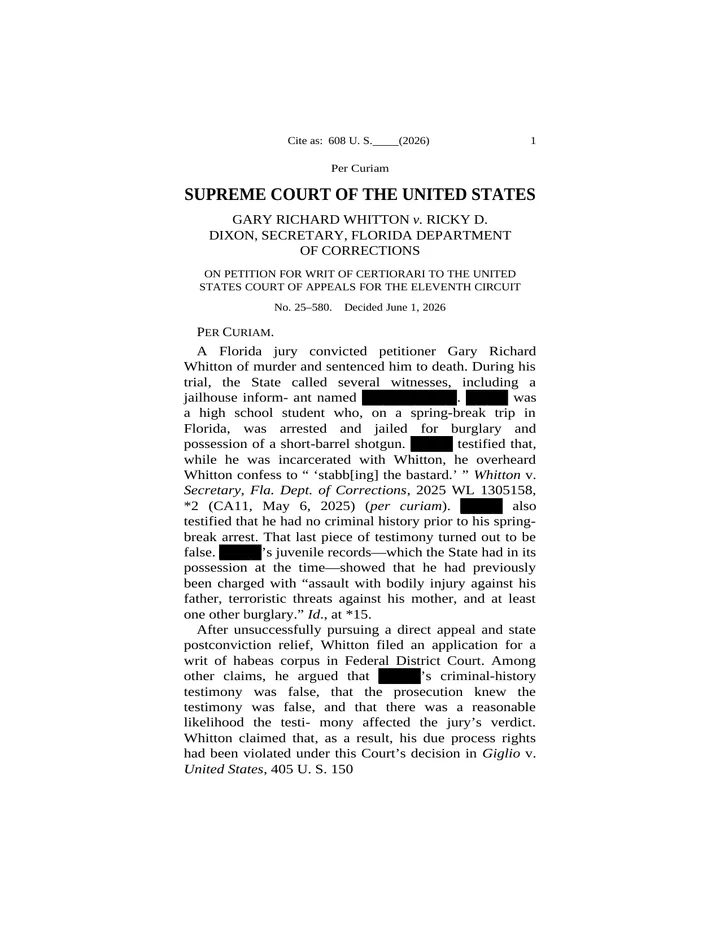
Change the underlined words to anything — a rule, an exception, a page range.
Common questions
Is the text actually removed, or just covered over?
Removed. The document is taken apart, the matching text is replaced, and the file is rebuilt around the replacement — so there is nothing left underneath to select, copy or recover. This is not what most tools do. Drawing a black rectangle in a PDF editor adds a shape on top of text that is still there, and it comes back with a copy and paste. That is exactly what happened when the US Department of Justice released the Epstein files in December 2025: several documents had been blacked out with boxes, and within hours people were reading the supposedly redacted names straight out of the PDF by selecting the area and pasting it elsewhere.
Can I redact evidence or discovery documents before disclosure?
That is what it is built for. You describe the rule in your own words — every name except the parties, every address, every account number — and it is applied consistently from the first page to the last, which is the part that goes wrong when a person does it by hand at two in the morning. Read the result before you file it. Ask it to list what it removed and check that list; no automated redaction, ours included, is a substitute for the last look by whoever signs the disclosure.
Does it remove personal data for GDPR or a subject access request?
Yes — pick "every piece of personal data" and it goes after names, addresses, phone numbers, email addresses, dates of birth, identification numbers and account details together, rather than making you run one pass per pattern. For a DSAR the usual instruction is to redact everyone except the requester, and you can write exactly that.
Can it redact everything except certain names?
Yes, and this is the thing a rectangle tool cannot do at all. "Redact every personal name except the defendant and his immediate family" is a valid instruction, because the model reads the document and decides which names those are. So is "redact the witnesses but keep the judges", or "keep the company names and remove the individuals".
What do I get back — a PDF or a Word file?
A Word document, by default. A PDF is converted to an editable document first, because that is what makes it possible to take the text out rather than paint over it. If you need a PDF back, ask for one in the same conversation and you get a PDF with the redactions already baked in.
Can it redact a scanned PDF?
Yes. A PDF with no text layer is read with text recognition first and then redacted. You do not have to ask for it or find a switch, and you are not charged extra for it.
Can I anonymise interview transcripts or research data?
Yes. De-identifying transcripts is the same job with a different vocabulary: names, institutions, place names and anything else that would identify a participant, applied the same way across every file. Ask it to keep the speaker labels consistent if you need to be able to tell participants apart afterwards.
How many pages will it redact?
Up to 8 pages without a paying account — the same whether you have registered or not — and up to 100 pages on a paying account. Longer documents are redacted up to that many pages and the result tells you where it stopped, so nothing is silently left in.
Do you watermark a redacted document?
No. A redacted document is a legal artifact and it goes out clean, at every account level. An unexpected link in the header of a court disclosure is not a marketing opportunity.
What happens to my file afterwards?
It stays in the conversation you created it in, so you can carry on working on it — convert it, translate it, redact more of it — without uploading it again. When you are finished there is a Remove All Files button on the result itself that deletes the upload and everything produced from it in one click.
Do I need an account?
No. Your first redaction runs without signing up. An account keeps the conversation so you can come back to the document later.